

Frontline Training Delays Are an Operations Problem — Mobile Microlearning is the Fix
- Jan 19
- 2 min read

Frontline teams don’t struggle because they don’t want to learn.
They struggle because learning arrives too late, in the wrong format, and far from the job.
When training is delayed by weeks (or months), the cost shows up immediately: errors, rework, safety incidents, missed targets, and frustrated managers trying to fill the gaps on the fly.
This isn’t a content problem.
It’s a delivery and access problem.
Why Frontline Training Is Always Late
Most frontline training delays come from the same structural issues:
Courses designed for desks, not job sites
Long development cycles tied to LMS publishing queues
Classroom sessions that require backfilling shifts
Updates that wait for “the next rollout window”
One-size-fits-all modules that ignore real workflow timing
Traditional learning systems assume people can stop work to learn.
Frontline reality is the opposite: learning has to fit into work.
Organizations highlighted by McKinsey and Deloitte consistently point out that frontline productivity is constrained less by capability gaps and more by speed of execution. When learning lags operations, performance suffers.
The Real Cost of Delayed Training
When training doesn’t keep up with operations, frontline teams compensate in risky ways:
Informal shadowing with inconsistent practices
Tribal knowledge passed verbally (and incorrectly)
Managers acting as full-time trainers instead of leaders
New hires learning by making mistakes
Over time, this leads to uneven performance, compliance exposure, and burnout — especially in high-turnover environments.
Why Mobile Microlearning Works Where Traditional Training Fails
Mobile microlearning flips the model:
Short: 3–7 minute lessons focused on one task
Targeted: Designed for a specific role or moment
Immediate: Deployed as soon as something changes
Accessible: Available on personal or shared devices
Instead of waiting for a quarterly update, frontline workers get what they need, when they need it — on the same device they already use every day.
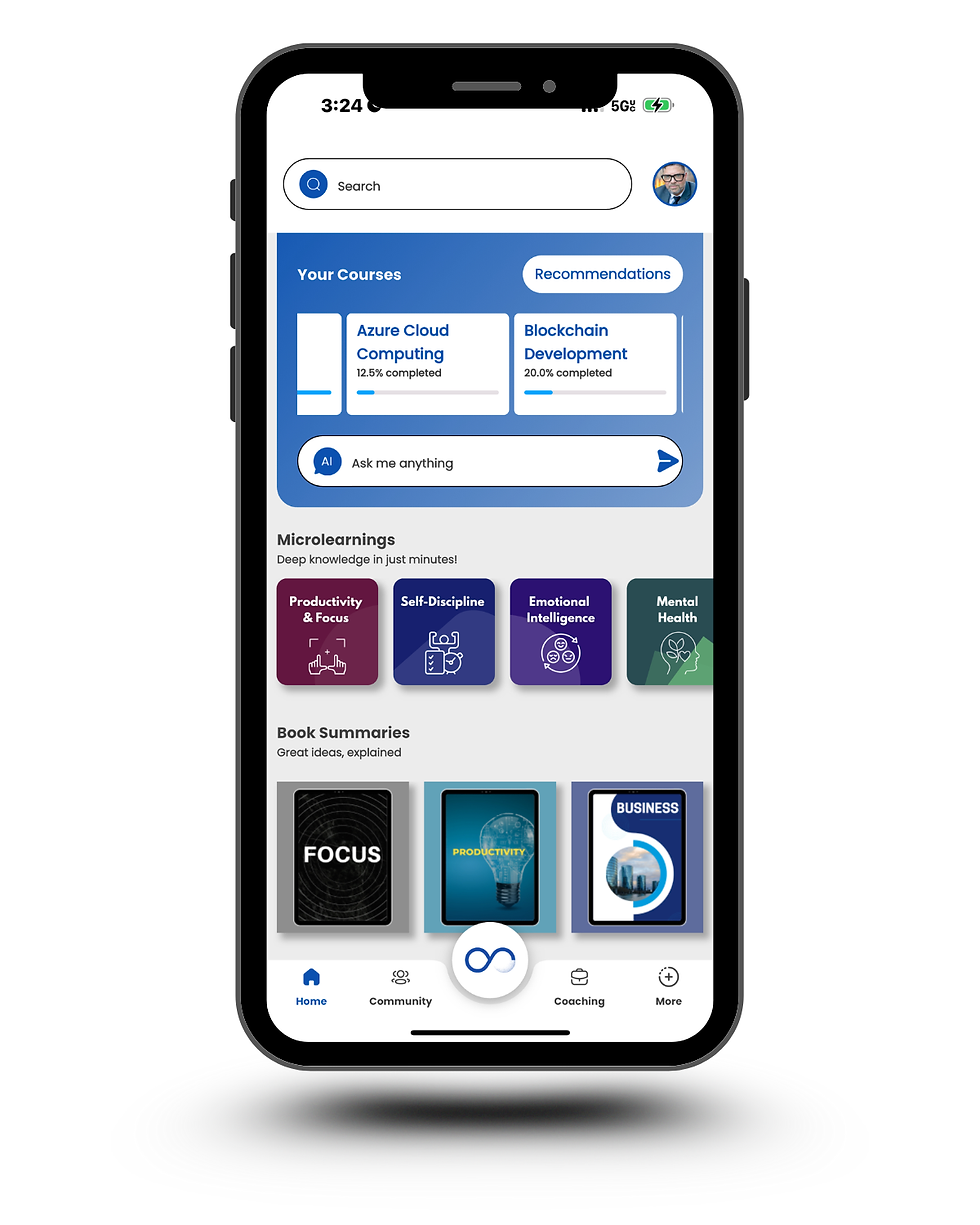
Mobile Microlearning Solves the Delay Problem at the Source
Here’s what changes when organizations adopt mobile-first microlearning:
1. Training moves at operational speed
Updates can be published in hours, not weeks — critical for safety, compliance, or process changes.
2. Learning fits into real work patterns
Workers learn between tasks, before shifts, or at the point of need — not in artificial training blocks.
3. Managers stop being the bottleneck
Instead of repeating instructions, managers reinforce and coach against shared, consistent content.
4. Completion actually improves
Short, relevant lessons outperform long courses, a trend echoed in research from LinkedIn Workplace Learning and Gartner.
This Isn’t About Replacing Learning — It’s About Delivering It
Mobile microlearning doesn’t eliminate deeper training.
It ensures critical knowledge arrives on time.
For frontline teams, speed beats perfection.
Relevance beats length.
Access beats polish.
That’s why modern organizations are rethinking learning not as a curriculum problem, but as a distribution challenge.
Where Learnfinity Pro Fits
Learnfinity Pro is built for this reality.
It helps teams:
Deploy mobile-first microlearning fast
Update frontline training without long LMS cycles
Reach distributed teams consistently
Keep learning aligned with real operational changes
Not as a traditional LMS — but as a practical delivery layer for frontline learning.
If your training is always late, the system isn’t broken — it’s just built for the wrong environment.



Comments